Index
When to Plant Tomatoes to Maximize Your Harvest
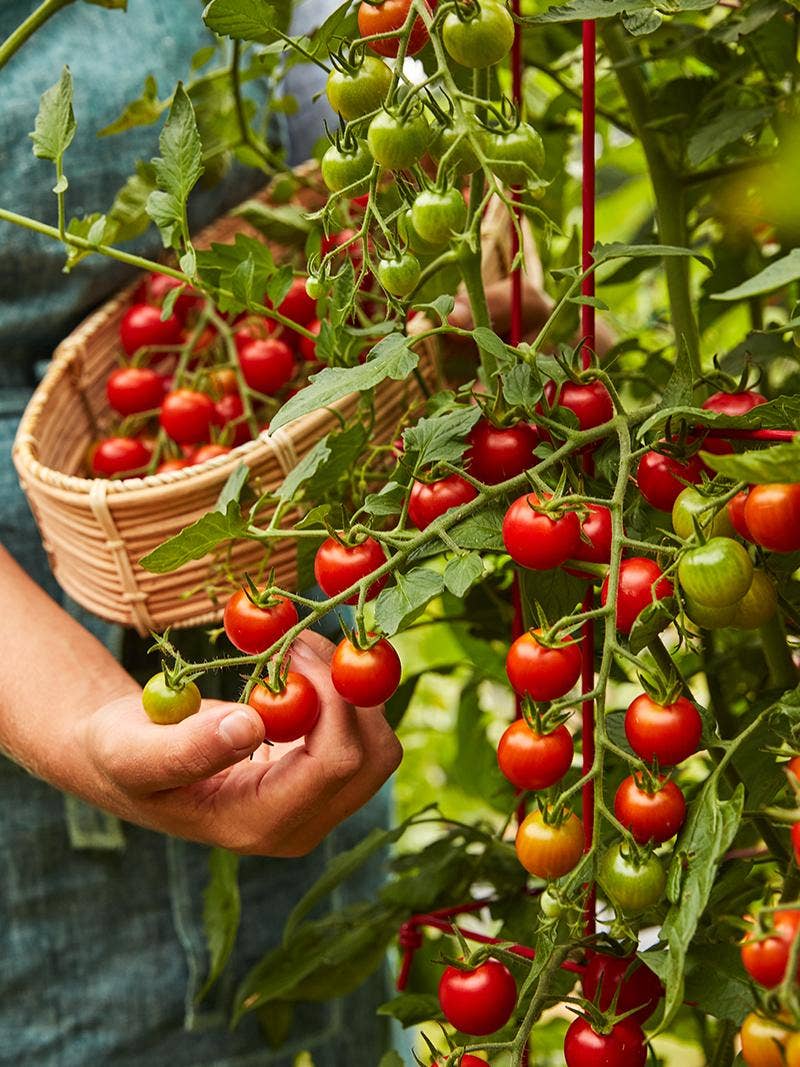
With a rainbow of colors and explosive flavors cherished for fresh eating and sauces, tomatoes rank among gardeners’ favorite produce to grow. The trick to a successful and lengthy harvest is knowing when to plant tomatoes.
Tomatoes thrive in summer’s warmth and shrivel from frost, so they’re one of the last and most tender plants or seeds you’ll put in your garden. That also can mean a short season for growing.
To stretch your harvest season, start your seeds indoors or buy garden-ready plants. You can also target varieties that ripen earlier than others. This can speed your progress to just-picked tomatoes on your dinner plate.
Here’s a look at when to plant tomato seeds or seedlings.
Starting Tomato Seeds Indoors
The best bet for most gardeners dreaming of a bumper crop and wide variety of tomatoes is to get a head start by starting seeds indoors. Choosing seeds gives you the widest range of choices, especially if you like to try new varieties each season and blend a rainbow of colors.
Most seeds can be started about six weeks before your last frost. To calculate the best date for when to plant tomato seeds, read your seed packet. It will tell you how long until seeds germinate and offer general guidelines for when tomatoes can safely be planted outdoors depending on your growing region. You can also find your growing zone on the United States Department of Agriculture’s website and research your zone to find your last frost date.
Before you plant your seedlings outdoors, you need to harden them off for about a week. This is a way to incrementally accustom tender tomato seedlings to bright sun and breezes after leaving the climate-controlled indoors. Set seedlings into a shaded, sheltered area for the first day or two, gradually increasing the exposure to light and breezes each day, making sure they’re watered as needed.
You can plant them once your garden or container soil is well drained and has warmed for a few weeks after the last frost. That can be mid- to late May in most parts of the country.
Purchasing Garden-Ready Plants
If you’re new to gardening (or you missed the timeframe to start seeds indoors), you can still fast-track your tomato harvest by ordering garden-ready tomato plants. These plants are professionally started in greenhouses, which have ideal light and temperatures for producing healthy, sturdy seedlings. Burpee’s garden-ready plants can be preordered and are shipped to arrive as soon as it’s safe to plant in your growing zone, based on your ZIP code.
If you’re planting in containers rather than in a garden, choose compact bush varieties for your tomatoes, such as ‘Veranda Red Hybrid’ and ‘Sweetheart of the Patio Hybrid.’ If you’re growing heftier tomatoes, such as heirlooms and beefsteaks, invest in tomato cages and other supports you can use in your garden every summer. Tomato cages and supports hold up the plant as heavy fruits ripen and weigh down the stems. If plants tip and ripening tomatoes touch the soil, they’re vulnerable to rot or pests.
Water new seedlings thoroughly with at least an inch of water a week. Gently water near the base of the plant to keep leaves dry and minimize the spread of soilborne disease. Mulch around your seedlings to help regulate soil temperature, retain moisture and prevent weeds.
Consider Early Ripening Tomatoes
Most tomatoes need two to four months to produce fruit. Large slicing tomatoes such as beefsteaks and colorful heirlooms tend to take the longest to reach full ripeness. Northern gardeners or those at higher elevations might have only two or three weeks for larger tomatoes to ripen before fall’s first frost may wipe out their plants.
If you’re in northern areas of the country, it can help to choose shorter-season varieties such as grape and cherry tomatoes that ripen more quickly. Look for varieties such as ‘Napa Grape Hybrid,’ ‘Sunchocola Hybrid,’ golden orange ‘Honeycomb Hybrid’ or pinkish ‘Maglia Rosa.’
For larger tomatoes, choose seeds or garden-ready plants for early varieties such as ‘Summer Girl Hybrid’ or ‘Bush Early Girl Hybrid.’ These should produce their first harvestable fruit about two months after plants start growing in the garden.
When it comes to planting tomatoes, timing is important. Now that you know when to plant tomatoes, you can rest assured that you’ll have a summer crop before the fall frost hits.
Tips for Gardening Tomatoes
Secrets to Successful Tomato Harvests
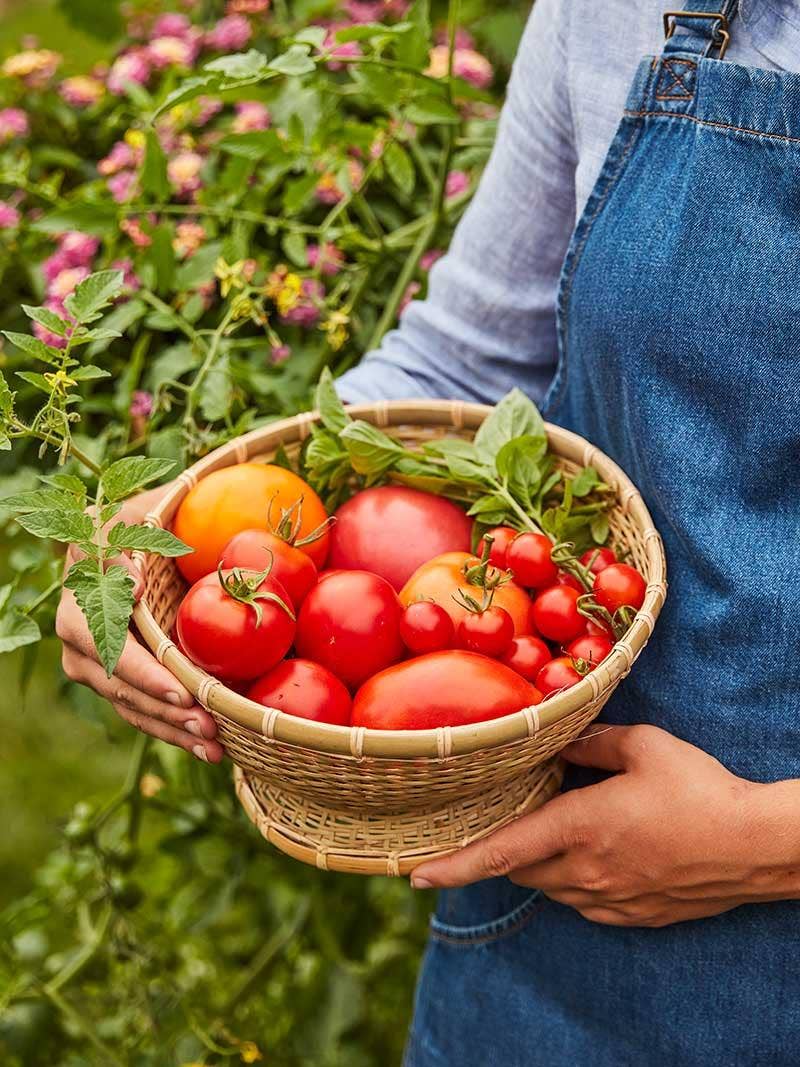
Eating fresh, homegrown tomatoes is one of summer’s most rewarding moments for just about every vegetable gardener. They are easy to grow, but with a few smart strategies you’ll get the heftiest harvest of the most flavorful fruit. Here are tips and tricks from the Burpee pro horticulturists.
Best Tomato Varieties
You can choose from so many different tomato varieties you are sure to find one or more that fit your needs. Do you want a daily supply of little tomatoes from early summer to fall? Pick a cherry tomato like ‘Super Sweet 100’. Prefer a steady harvest of slicing tomatoes? ‘Burpee’s Better Boy’ is a standard for many gardeners because it reliably produces large, bright red tomatoes for weeks. If you’re into making sauce or salsa, look for a meaty Roma type, such as ‘Gladiator’. The most flavorful tomatoes tend to be the beefsteak types, including ‘Steakhouse’. Growing in containers? Try Bushsteak Hybrid for big fruit or cherry-size Sweetheart of the Patio.
Where to Plant Tomatoes
Tomatoes need full sun through the summer to produce the maximum amount of fruit. Late afternoon and evening sunlight is especially important as the tomatoes start to ripen. The vines grow best in soil that is rich in organic matter and well-drained. Cherry tomatoes or other indeterminate types can reach 8 feet or even taller. Site them where they can be trellised high enough to stay upright. Avoid planting tomatoes in the same spot season after season or where you’ve grown peppers and eggplant, as they all share common pests and diseases. Try to leave 12 to 15 inches between the plants to allow for root growth when they’re young and air flow as they mature.
When to Plant Tomatoes
Start tomatoes from seeds indoors under lights about eight weeks before the last frost date in spring. Set the two-month-old seedlings in your garden after a couple weeks of hardening off, or acclimating to the outdoors. You can move your plants outside weeks earlier using Kozy Coats, water-filled plant tepees that protect tender seedlings from late frosts.
How to Water Tomatoes
To stay healthy and productive, each tomato plant should get about a gallon of water a week, either from rain or from the hose. When you’re watering, give the ground around the plant a thorough soaking and then wait until the soil is dry before watering again. Frequent, shallow sprinkling encourages the plant to grow roots close to the surface rather than deep in the ground.
How to Feed Tomatoes
A balanced organic plant food such as Burpee Organic Tomato + Vegetable Granular Plant Food 3-6-4 will ensure the vines have all the nutrients they need to produce healthy leafy tops, sturdy roots, and abundant fruit from planting to harvest. Follow the application instructions carefully. As with people, overfeeding is unhealthy for your tomato plants.
How to Stop Weeds
A layer of mulch around your tomato plants helps the soil retain moisture and blocks the germination of weeds that siphon nutrients and water away. Research has shown that Reflective Red Mulch Film conserves water, blocks weeds, and shines extra light onto the plants, resulting in as much as 20 percent more fruit. This mulch also reduces the risk of fungal infections by keeping water from splashing on the bottom foliage.
How to Trellis Tomatoes
Tomatoes grow on vines that tend to sprawl on the ground, which not only takes up extra space in your garden, it makes the ripening fruit more vulnerable to mammals, insects, and fungi. Square cages work best to distribute the weight of the plants without toppling over. The XL Pro Series cages keep the vines growing upward while allowing air circulation that keeps plants healthy.
How to Control Tomato Pests
A spray of nontoxic Hot Pepper Wax deters squirrels, raccoons, deer, and other wildlife from biting your tomatoes before you can harvest them. Tomato hornworms are large, bright-green caterpillars with a horn-like tail. They chew on the leaves and fruit. They are easy to spot since they are so large. Also look for their black frass (excrement) on leaves. The easiest control is to pick the caterpillars off your plants and drop them into soapy water.
How to Treat Tomato Diseases
Blossom end rot causes the flower-side of the fruit to split open and develop dark patches. It can be caused by calcium deficiency in the soil, and you can prevent it by adding Burpee’s Natural Organic Bone Meal 6-8-0 before planting. Late Blight shows up as large, water-soaked spots on lower level leaves and then spreads upward, causing them to droop, wilt, and rot. If you’ve had a problem with late blight in previous seasons, be sure to rotate your tomato crops to different parts of your garden, use plastic mulch to keep moisture and fungi off the lower leaves, and choose a resistant variety, such as ‘Celebrity’.
References
Most information from Burpee.com